Roofing and Contracting Fundamentals: Key Factors to Consider in a Top-Quality Contractor
When selecting a roofing and contracting service provider, numerous key factors are important. Experience, credentials, and communication are critical for guaranteeing a successful project. Potential clients must also examine the implications of choosing an unreliable contractor. Grasping these essentials can considerably impact the outcome. What certain criteria should one prioritize to avoid common errors? The answers may uncover more than imagined.
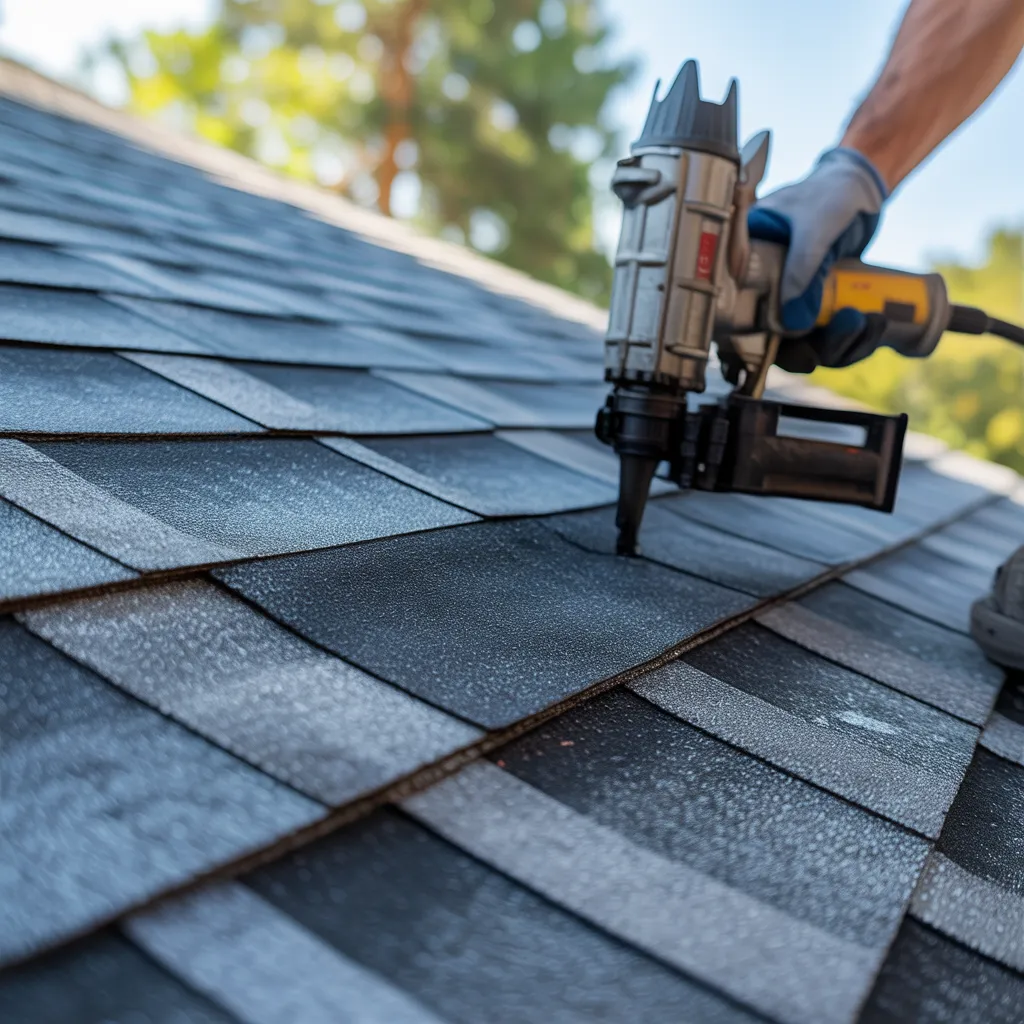
Common Problems With Unreliable Contractors
When homeowners deal with untrustworthy contractors, they commonly experience a variety of typical problems that can bring about frustration and financial strain. Extended project schedules frequently plague these relationships, causing property owners to wait for critical fixes or setups. Inconsistent communication additionally exacerbates the predicament, as homeowners have trouble receiving information or remedies. In addition, subpar workmanship can cause persistent troubles, calling for expensive fixes that undermine the starting investment. Unclear pricing structures may also emerge, bringing about unanticipated expenditures that stress financial plans. Moreover, questionable contractors might not get mandatory authorizations, leading to legal problems that make the project more difficult. Lastly, the missing warranties or guarantees renders homeowners exposed, as they have no remedy for any subsequent problems. These problems underscore the significance of picking contractors wisely to secure a trouble-free and pleasing home improvement undertaking.
Why Credentials Matter: Checking Licenses and Insurance
Confirming a contractor's credentials is crucial for homeowners looking for quality and reliability in their projects. A valid license shows that the contractor has satisfied local regulations and possesses the essential knowledge and skills to perform roofing work. Homeowners should verify that the license is current and applicable to the particular type of work needed.
Furthermore, insurance coverage protects both the contractor and homeowner from potential liabilities. A credible contractor should carry general liability insurance and workers' compensation. This coverage ensures that damage or injuries happening on the job site do not fall back on the homeowner.
Not verifying licenses and insurance can lead to serious risks, including economic damage and legal complications. Therefore, homeowners must prioritize this step to secure a trustworthy service provider, ultimately guaranteeing a better and more favorable project outcome.
Experience Matters: Evaluating a Contractor's Past Performance
What methods can homeowners use to confirm they pick a trustworthy contractor? One effective method is to evaluate a contractor's track record. Expertise serves a crucial function in a contractor's capacity to provide superior results. Property owners should pursue contractors who demonstrate significant industry tenure, best with various finished projects resembling their own situation. Checking references from past clients can provide insight into the contractor's reliability and workmanship.
Additionally, checking online feedback and testimonials can help to assess overall satisfaction. A contractor with a demonstrated background of successful projects is more capable of deal with unexpected challenges successfully and fulfill deadlines. Homeowners should also investigate the age of the contractor's business; experienced companies often have streamlined processes and established relationships with suppliers. Finally, a thorough assessment of a contractor's experience can substantially improve the probability of a successful roofing or contracting project.
The Importance of Transparent Communication
Open communication is crucial in roofing projects and contracting work. It assures that clients receive consistent updates throughout the process, fostering trust and understanding. Furthermore, an open dialogue makes it possible for concerns to be addressed immediately, boosting overall project satisfaction.
Transparent Updates During the Entire Process
Strong communication acts as a fundamental element in the roofing and contracting industry, where multiple stakeholders are involved. Regular updates throughout the process cultivate trust and ensure that all parties remain informed. A reputable service provider prioritizes regular communication, delivering insights into project timelines, progress, and potential challenges. This proactive approach minimizes misunderstandings and permits timely adjustments as needed. By keeping clients informed, contractors show accountability and professionalism, reinforcing their commitment to quality service. Moreover, transparent updates allow clients to prepare for any disruptions, ensuring a smoother workflow. Ultimately, maintaining open lines of communication is essential for a successful project, resulting in higher client satisfaction and a stronger reputation in the industry.
Open Dialogue for Concerns
Honest communication is critical for addressing concerns that may arise during roofing and contracting projects. Clients should feel enabled to express their questions and worries at any stage of the process. A quality service provider prioritizes transparent communication, verifying that all parties have a common understanding of project expectations, timelines, and potential challenges. This openness promotes trust and reduces misunderstandings, ultimately resulting in a smoother workflow. Additionally, regular check-ins and feedback loops help contractors to adjust to any changing needs or preferences. By forming a culture of open dialogue, both clients and contractors can work cooperatively, elevating the project's overall success and satisfaction for all involved.
What to Expect From Quality Customer Service
Professional customer care in roofing and contracting depends on transparent communication pathways and prompt response periods. Clients deserve timely notifications and readily available contact methods throughout the project. This level of service not only builds trust but also confirms that any concerns are handled promptly.
Clear Communication Channels
Solid communication channels are critical for delivering a smooth customer experience in roofing and contracting services. Quality service providers emphasize clear and open lines of communication, permitting clients to convey their needs, concerns, and questions. This includes creating preferred methods of contact, whether through phone, email, or in-person meetings. Regular updates on project progress build trust and transparency, eliminating misunderstandings. Moreover, consult this source effective communication encourages collaboration, permitting both parties to address any issues swiftly. A responsive provider will listen carefully and adapt to the client's feedback, strengthening the relationship. In summary, clear communication channels are not just a courtesy; they are a essential aspect of delivering satisfactory service in the roofing and contracting industry.
Prompt Response Times
When customers contact providers for roofing and contracting services, they require timely responses that reflect a company's commitment to customer satisfaction. Quality service providers recognize that efficiency is crucial, especially in emergencies such as leaks or storm damage. A swift acknowledgment of inquiries not only comforts clients but also builds trust.
Contractors should strive to answer within a few hours, offering clear timelines for subsequent updates and project developments. Delays can cause frustration and may prompt clients to look for alternatives. Additionally, timely responses demonstrate professionalism and an understanding of clients' needs, setting the tone for a positive working relationship. To sum up, prompt communication is a essential indicator of quality in the roofing and contracting industry.
Understanding Quotes and Estimates: Clear Pricing
Understanding estimates and quotes is crucial for homeowners seeking transparency in roofing and contracting services. A clear and detailed estimate details the work scope, materials, labor costs, and any additional fees, enabling homeowners to make informed decisions. Service providers must be willing to detail each component, guaranteeing that clients comprehend exactly what they're paying for.
Property owners should exercise caution with estimates that appear markedly lower than competitors, as these may suggest hidden costs or inferior materials. It is wise to request multiple quotes to compare pricing and services offered. In addition, understanding payment terms and project timelines is essential to avoid potential misunderstandings. By emphasizing transparent pricing, homeowners can foster trust with their chosen contractor and achieve a smooth project experience. Clear communication regarding quotes and estimates ultimately brings about greater satisfaction and fewer disputes throughout the roofing or contracting process.
Ways to Use Reviews and References to Your Advantage
How can homeowners effectively leverage reviews and references when selecting a roofing contractor? They should begin by examining online platforms where past clients share their experiences. Websites like Google, Yelp, and Angie's List offer valuable insights into a contractor's reliability and quality of work. Homeowners should carefully review both positive and negative reviews, as they provide a balanced perspective.
Furthermore, requesting references from contractors can yield beneficial information. Conversing with previous clients enables homeowners to learn about the contractor's professionalism, adherence to timelines, and overall satisfaction.
It's important to verify that the reviews are current and pertinent, as dated feedback may not indicate the contractor's current performance. By synthesizing this information, homeowners can make knowledgeable decisions, guaranteeing they select a credible roofing contractor who meets their particular requirements and expectations.
FAQ
How Much Time Does a Roofing Project Usually Take to Finish?
Typically, roofing installations can take between a few days to several weeks to complete, determined by the work's size, complexity, weather circumstances, and the availability of materials and labor. Time frames fluctuate substantially.
Which Materials Do You Suggest for My Particular Roofing Requirements?
The professional recommended long-lasting materials such as asphalt shingles for budget-friendliness, metal for long-term performance, and clay tiles for appearance. Every option catered to the homeowner's individual requirements, providing superior performance and energy efficiency in different weather conditions.
Does Your Business Provide Warranty Coverage on Your Workmanship and Materials?
Certainly, professional contractors commonly extend warranties for both craftsmanship and materials. This guarantee safeguards customers from possible flaws, maintaining durability and excellence in roofing work. It's advisable to confirm the specifics before finalizing agreements.
How Are Unforeseen Problems Managed During the Project?
They address unexpected issues through proactive communication, assessing the problem, and providing solutions. Their approach focuses on transparency, confirming clients are kept aware of changes in scope, timelines, and costs while sustaining project integrity and quality standards.
May I View Cases of Former Projects Related to Mine?
Reputable service experts commonly present portfolios presenting completed projects similar to the client's needs. Evaluating these examples empowers potential clients to judge expertise, style, and suitability, securing a well-informed decision before starting the project.